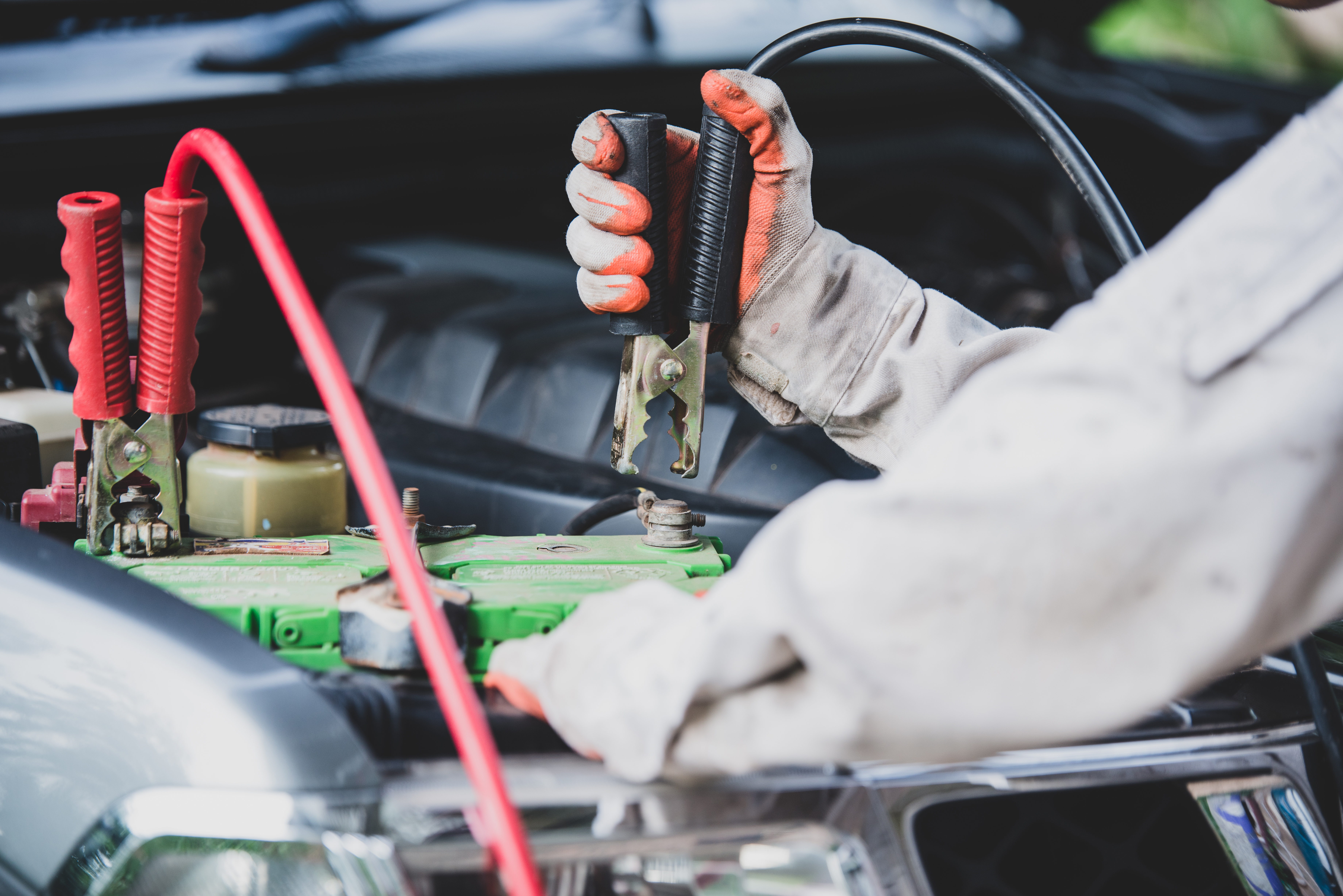
Why 90-Minute Car Servicing Is the Future of Vehicle Care
Time is the most valuable commodity in our fast-paced world. Traditional car servicing that keeps your vehicle in the workshop for entire days is becoming increasingly incompatible with modern lifestyles, business demands, and urban mobility needs. The emergence of 90-minute car servicing represents a revolutionary shift in automotive care, combining cutting-edge technology, streamlined processes, and quality assurance to meet contemporary consumer expectations without compromising service excellence.
The Traditional Servicing Time Problem
Conventional Service Inefficiencies: Traditional car servicing often involves dropping off your vehicle in the morning and collecting it in the evening, or even the next day. This extended timeline isn't necessarily due to actual work complexity but rather inefficient processes, poor scheduling, outdated workshop management, and lack of technological integration.
The Reality of Traditional Service Centers:
- Vehicles sit idle 60-70% of the time awaiting parts, technicians, or approval
- Sequential rather than parallel service processes waste time
- Manual diagnostic procedures require excessive time
- Poor inventory management causes delays for common parts
- Inefficient communication between service departments
Hidden Costs of Extended Service Times: When your car is unavailable for 6-8 hours or multiple days, you face significant indirect costs including:
- Lost Productivity: Transportation delays affecting work schedules and business meetings
- Rental Car Expenses: ₹1,500-₹3,000 per day for replacement vehicles
- Alternative Transportation: Taxi, rideshare, or public transport costs
- Scheduling Disruptions: Cancelled appointments and rearranged commitments
- Stress and Inconvenience: Uncertainty about pickup times and service completion
- Family Impact: Disrupted school runs, shopping, and social activities
Customer Frustration Statistics: Industry surveys consistently show that service duration ranks as the primary complaint among vehicle owners, ranking above cost concerns in customer satisfaction studies. Over 75% of customers express willingness to pay premium prices for guaranteed rapid service completion.
The Technology Revolution Enabling 90-Minute Service
Advanced Diagnostic Technology Integration
Computer-Based Diagnostic Systems: Modern diagnostic equipment can identify issues within 10-15 minutes that previously required hours of manual inspection and testing. These sophisticated systems interface directly with your vehicle's onboard computers, providing:
- Instant Fault Code Retrieval: Immediate identification of system malfunctions
- Real-Time Performance Data: Live monitoring of engine, transmission, and emission parameters
- Component Testing: Automated testing of sensors, actuators, and control modules
- Service History Integration: Access to previous service data and manufacturer bulletins
- Predictive Analysis: Early warning of developing problems before failure occurs
Artificial Intelligence Diagnostics: Advanced AI systems analyze patterns across thousands of similar vehicles to:
- Predict component failure timelines
- Recommend preventive maintenance schedules
- Optimize service procedures for efficiency
- Identify root causes of intermittent problems
- Suggest cost-effective repair alternatives
Remote Diagnostic Capabilities: Modern vehicles equipped with telematics systems allow service centers to:
- Perform initial diagnostics before vehicle arrival
- Identify required parts and services in advance
- Prepare technicians with specific knowledge and tools
- Reduce diagnostic time to near-zero upon arrival
Streamlined Service Process Engineering
Pre-Service Vehicle Analysis: Leading 90-minute service providers use sophisticated software to analyze your vehicle's needs before arrival:
Pre-Arrival Process:
- Vehicle History Analysis: Review previous services, known issues, and manufacturer recalls
- Mileage-Based Recommendations: Automated suggestions based on service intervals
- Parts Preparation: Pre-ordering and staging required components
- Technician Assignment: Matching vehicles with specialist-trained technicians
- Bay Preparation: Setting up service bays with specific tools and equipment
Standardized Service Protocols: Efficient service centers employ documented procedures that eliminate guesswork:
- Digital Checklists: Comprehensive inspection lists ensuring nothing is missed
- Time-Motion Studies: Optimized procedures minimizing wasted movements
- Quality Gates: Built-in checkpoints preventing errors and rework
- Documentation Systems: Automated record-keeping and customer communication
Parallel Processing Architecture: Rather than sequential service steps, modern workshops perform multiple tasks simultaneously:
- Multi-Technician Teams: Specialists working on different systems concurrently
- Coordinated Workflows: Synchronized timing preventing bottlenecks
- Resource Optimization: Shared equipment and expertise across service bays
- Real-Time Coordination: Digital systems managing technician assignments and priorities
Specialized Equipment and Infrastructure
Rapid Service Equipment: Purpose-built tools designed for speed without sacrificing quality:
Advanced Fluid Exchange Systems:
- Pneumatic Oil Systems: Complete oil changes in under 10 minutes
- Vacuum Extraction Units: Clean, efficient fluid removal
- Heated Storage Systems: Optimal fluid temperatures for faster flow
- Automated Measuring: Precise fluid quantities preventing overfill or underfill
Quick-Connect Diagnostic Interfaces:
- Universal Diagnostic Ports: Instant connection to all vehicle systems
- Wireless Communication: Real-time data transfer to diagnostic computers
- Multi-Protocol Support: Compatibility with all vehicle manufacturers
- Historical Data Access: Immediate retrieval of previous diagnostic sessions
Modular Service Bay Design: Specialized service areas equipped for specific procedures:
- Express Oil Change Bays: Dedicated areas with all necessary equipment
- Brake Service Stations: Complete brake system tools and testing equipment
- Tire Service Centers: Automated tire changing and balancing systems
- Multi-Point Inspection Areas: Comprehensive vehicle assessment facilities
The Science Behind Efficient Automotive Service
Industrial Engineering Principles in Automotive Service
Lean Manufacturing Adaptation: Successful 90-minute service centers apply proven manufacturing principles:
Waste Elimination Strategies:
- Motion Waste: Optimizing technician movement patterns
- Waiting Waste: Eliminating idle time through better scheduling
- Inventory Waste: Just-in-time parts availability
- Transportation Waste: Minimizing vehicle movements within facility
- Processing Waste: Removing unnecessary service steps
Time and Motion Studies: Professional service centers employ industrial engineering techniques:
- Process Mapping: Detailed analysis of every service step
- Bottleneck Identification: Finding and eliminating workflow constraints
- Resource Allocation: Optimal technician and equipment utilization
- Continuous Improvement: Regular process refinement based on data analysis
Statistical Process Control: Quality assurance through mathematical analysis:
- Service Time Monitoring: Tracking completion times for process optimization
- Quality Metrics: Measuring first-time-right completion rates
- Customer Satisfaction Scoring: Quantifying service experience quality
- Predictive Modeling: Forecasting service demand and resource needs
Workflow Optimization Methodologies
Critical Path Analysis: Identifying the longest sequence of service tasks to optimize overall completion time:
- Task Dependency Mapping: Understanding which services must be completed sequentially
- Parallel Processing Opportunities: Identifying tasks that can be performed simultaneously
- Resource Constraint Management: Ensuring adequate technician and equipment availability
- Contingency Planning: Preparing for unexpected complications or delays
Just-In-Time Inventory Management: Ensuring parts availability without excess inventory costs:
- Demand Forecasting: Predicting parts requirements based on service history
- Supplier Integration: Direct communication with parts suppliers for rapid delivery
- Automated Reordering: Computer-controlled inventory replenishment
- Quality Assurance: Ensuring parts meet manufacturer specifications
Comprehensive Services Achievable in 90 Minutes
Engine and Powertrain Services
Oil and Filter Changes (15-20 minutes):
- Complete oil drain using vacuum or gravity systems
- Filter replacement with proper torque specifications
- Multi-grade oil selection based on manufacturer requirements
- Disposal of used oil through certified recycling programs
Spark Plug Replacement (20-30 minutes):
- Removal and inspection of existing plugs
- Gap verification and torque specification compliance
- Installation of manufacturer-specified replacement plugs
- Engine performance testing after installation
Air and Fuel Filter Replacement (10-25 minutes):
- Air filter inspection and replacement
- Cabin air filter service for improved air quality
- Fuel filter replacement where accessible
- System performance verification
Cooling System Services (30-60 minutes):
- Coolant level and condition inspection
- Pressure testing for leak detection
- Thermostat and hose inspection
- Complete coolant flush and refill when required
Brake System Comprehensive Service
Brake Inspection and Service (20-45 minutes):
- Pad and Rotor Assessment: Measurement and wear pattern analysis
- Brake Fluid Testing: Moisture content and contamination analysis
- Hydraulic System Inspection: Line and component leak detection
- Performance Testing: Brake effectiveness and pedal feel evaluation
Brake Component Replacement:
- Brake Pad Installation: Professional replacement with proper break-in procedures
- Rotor Resurfacing: On-site rotor machining when thickness permits
- Brake Fluid Exchange: Complete system flush with fresh fluid
- Caliper Service: Cleaning and lubrication of sliding components
Electrical and Electronic Systems
Battery and Charging System Service (15-25 minutes):
- Battery Load Testing: Comprehensive capacity and performance analysis
- Charging System Testing: Alternator output and regulation verification
- Connection Service: Terminal cleaning and corrosion prevention
- Replacement Installation: New battery installation with proper initialization
Lighting System Comprehensive Check (10-20 minutes):
- All Exterior Lighting: Headlights, taillights, signals, and hazard lights
- Interior Lighting: Dashboard, dome, and courtesy lights
- Bulb Replacement: Standard and specialty bulb installation
- Electrical Connection Inspection: Wire and connector condition assessment
Transmission and Drivetrain Services
Automatic Transmission Service (30-45 minutes):
- Fluid Level and Condition Check: Color, odor, and contamination assessment
- Filter Replacement: Internal filter and gasket replacement
- Fluid Exchange: Complete transmission fluid replacement
- Performance Testing: Shift quality and engagement evaluation
Manual Transmission and Clutch Service (25-35 minutes):
- Fluid Level and Condition: Gear oil inspection and replacement
- Clutch Operation Assessment: Engagement point and pedal feel evaluation
- Linkage Inspection: Shift mechanism and adjustment verification
- Drive Shaft and CV Joint Inspection: Boot condition and joint wear assessment
Suspension and Steering Systems
Alignment and Suspension Check (25-40 minutes):
- Computerized Wheel Alignment: Precise measurement and adjustment of camber, caster, and toe
- Suspension Component Inspection: Strut, shock, and spring condition assessment
- Steering System Evaluation: Power steering fluid and component inspection
- Tire Wear Pattern Analysis: Identification of alignment and suspension issues
Technology Integration Enhancing Customer Experience
Real-Time Communication Systems
Customer Update Technology: Advanced communication systems keep customers informed throughout the service process:
Multi-Channel Communication:
- SMS Updates: Automated text messages at service milestones
- Mobile App Integration: Real-time progress tracking through smartphone apps
- Email Documentation: Comprehensive service reports with photographic evidence
- Voice Communication: Personal calls for authorization or information requests
Digital Service Documentation: Electronic systems creating permanent, accessible records:
- Photographic Evidence: Before and after images of service work
- Video Explanations: Technician recordings explaining findings and recommendations
- Digital Signatures: Electronic authorization and approval processes
- Cloud Storage: Accessible service history from any location
Transparent Pricing Systems: Real-time cost information preventing surprises:
- Upfront Estimates: Detailed pricing before work begins
- Authorization Protocols: Customer approval for any additional work
- Parts Pricing Transparency: Real-time parts costs and availability
- Labor Time Standards: Published time estimates for all services
Automated Service Scheduling and Management
AI-Powered Scheduling Optimization: Machine learning algorithms managing appointment scheduling:
Intelligent Booking Systems:
- Service Time Prediction: Accurate estimates based on vehicle history and required services
- Technician Skill Matching: Assigning vehicles to specialists for optimal efficiency
- Equipment Availability: Ensuring necessary tools and bay availability
- Customer Preference Integration: Accommodating individual scheduling preferences
Dynamic Scheduling Adjustment: Real-time schedule optimization based on:
- Service Complexity Changes: Automatic rescheduling when additional work is discovered
- Parts Availability: Immediate notification and rescheduling for unavailable components
- Technician Availability: Flexible assignment based on expertise and workload
- Emergency Accommodations: Priority scheduling for breakdown and safety issues
Predictive Maintenance Scheduling: Advanced systems anticipating future service needs:
- Mileage-Based Reminders: Automated notifications for upcoming maintenance
- Seasonal Service Suggestions: Weather and driving condition-based recommendations
- Component Life Prediction: Estimated replacement timelines for wear items
- Cost Optimization: Bundling compatible services for efficiency and savings
Economic Benefits and Value Proposition
Cost Efficiency for Service Providers
Increased Revenue Through Higher Throughput: 90-minute service centers can complete significantly more services per day:
- Traditional Centers: 1-2 complete services per bay per day
- 90-Minute Centers: 4-6 complete services per bay per day
- Revenue Multiplication: 200-300% increase in service capacity
- Fixed Cost Distribution: Same facility overhead supporting more revenue
Reduced Operational Costs: Streamlined processes reduce various operational expenses:
- Labor Efficiency: Higher technician productivity and utilization rates
- Inventory Optimization: Reduced parts carrying costs through better management
- Facility Utilization: More efficient use of service bay space and equipment
- Energy Efficiency: Reduced per-service utility and facility costs
Improved Technician Satisfaction: Efficient processes and modern tools increase job satisfaction:
- Reduced Frustration: Streamlined workflows eliminating common delays
- Skill Development: Training in advanced diagnostic and service techniques
- Performance Recognition: Clear metrics and achievement recognition programs
- Career Advancement: Growth opportunities in expanding service networks
Customer Value Proposition
Significant Time Savings: Customers save 4-6 hours per service visit compared to traditional service:
- Productivity Gains: Professional and business owners can maintain schedules
- Lifestyle Flexibility: Service fits into daily routine rather than disrupting it
- Reduced Stress: Predictable service completion eliminates uncertainty
- Family Time: More time available for personal and family activities
Enhanced Convenience: Same-day service eliminates traditional inconveniences:
- Transportation Simplicity: No need for alternative vehicle arrangements
- Schedule Predictability: Reliable completion times enable planning
- Single-Trip Efficiency: Drop-off and pickup in same day
- Emergency Accommodation: Rapid service for unexpected issues
Quality Assurance: Rapid service doesn't mean reduced quality:
- Standardized Procedures: Documented processes ensuring thoroughness
- Advanced Diagnostics: More accurate problem identification than traditional methods
- Quality Control: Built-in verification steps preventing errors
- Warranty Protection: Same coverage as traditional service with documentation
Implementation Challenges and Solutions
Overcoming Traditional Service Model Limitations
Technician Training and Certification: Rapid service requires specialized skills:
Training Program Components:
- Diagnostic Technology: Proficiency with advanced computer systems
- Efficiency Techniques: Time management and workflow optimization
- Quality Standards: Maintaining excellence while working efficiently
- Customer Service: Communication skills for rapid service environment
Equipment Investment Requirements: Significant upfront costs for advanced systems:
- Diagnostic Equipment: ₹5-15 lakhs per service bay
- Specialized Tools: Rapid service equipment and automation
- Facility Modifications: Bay design optimization for efficiency
- Software Systems: Integrated management and communication platforms
Quality Control in Rapid Service: Ensuring thoroughness despite time constraints:
- Digital Checklists: Comprehensive inspection protocols
- Multi-Point Verification: Quality gates throughout service process
- Customer Feedback Integration: Continuous improvement based on experience
- Performance Monitoring: Statistical analysis of service quality metrics
Customer Education and Expectation Management
Service Scope Communication: Clear explanation of what can be accomplished in 90 minutes:
- Standard Services: Comprehensive list of routine maintenance procedures
- Complex Repairs: Services requiring traditional extended timeframes
- Emergency Procedures: Rapid response protocols for breakdown situations
- Future Service Planning: Scheduling more complex work separately
Quality Assurance Messaging: Addressing customer concerns about rapid service quality:
- Process Transparency: Detailed explanation of efficiency improvements
- Technology Benefits: Advanced diagnostic capabilities improving accuracy
- Warranty Coverage: Full guarantee of workmanship and parts
- Continuous Improvement: Ongoing process refinement based on feedback
The Future Evolution of Rapid Automotive Service
Emerging Technologies
Artificial Intelligence and Machine Learning: Advanced systems further optimizing service:
- Predictive Analytics: Anticipating service needs before symptoms appear
- Automated Diagnostics: AI systems identifying complex problems rapidly
- Process Optimization: Machine learning improving workflow efficiency continuously
- Customer Personalization: Tailored service recommendations based on individual patterns
Augmented Reality Diagnostic Systems: AR technology accelerating problem identification:
- Visual Diagnostics: Overlay information showing component status
- Guided Procedures: Step-by-step repair instructions through AR displays
- Training Enhancement: Rapid skill development for new technicians
- Quality Verification: Visual confirmation of completed work accuracy
Robotic Service Assistance: Automated systems handling routine procedures:
- Fluid Exchange Robots: Automated oil and fluid changes
- Tire Service Automation: Robotic tire mounting and balancing
- Parts Handling Systems: Automated inventory management and delivery
- Quality Control Scanning: Automated inspection systems
Service Model Innovation and Expansion
Integrated Mobile Service Networks: Combining rapid in-shop service with mobile capabilities:
- Mobile Basic Service: Routine maintenance at customer locations
- Workshop Complex Service: Advanced procedures requiring specialized equipment
- Hybrid Service Models: Optimal combination of mobile and shop-based service
- Network Coordination: Seamless service across multiple service points
Subscription-Based Service Programs: Predictable monthly payments for comprehensive maintenance:
- All-Inclusive Packages: Complete maintenance coverage for fixed monthly cost
- Rapid Service Access: Priority booking and guaranteed 90-minute completion
- Parts and Labor Coverage: Comprehensive protection against unexpected costs
- Vehicle Health Monitoring: Continuous monitoring and predictive maintenance
Franchise and Network Standardization: Consistent rapid service quality across locations:
- Standardized Procedures: Identical service processes across all locations
- Quality Certification: Regular auditing and performance verification
- Technology Integration: Shared diagnostic and management systems
- Customer Data Portability: Service history available at any network location
The 90-minute service revolution represents the automotive industry's response to changing customer expectations, technological capabilities, and urban mobility demands. This transformation combines cutting-edge technology with proven industrial efficiency principles to deliver comprehensive vehicle care that fits modern lifestyles without compromising quality, safety, or thoroughness.
Professional rapid service providers like Gaadimech are pioneering this approach, investing in advanced diagnostic technology, specialized equipment, and comprehensive technician training to deliver the future of automotive care today, ensuring customers receive expert service that respects both their time and their investment in reliable transportation.