Car Servicing 101: Essential Maintenance Guide to Extend Your Vehicle's Life
Is regular car servicing really necessary, or just an expense you can delay? This is one of the most common questions we hear from vehicle owners. The truth is that proper maintenance doesn't just prevent breakdowns—it significantly extends your car's lifespan and preserves its value. In this essential guide, we'll explore the preventative maintenance questions we hear most frequently and provide expert answers.
Understanding Your Car's Maintenance Schedule
Many owners wonder whether manufacturer-recommended service intervals are just a way to generate revenue. However, these schedules are carefully engineered based on extensive testing of your specific vehicle model.
Modern cars have different maintenance requirements than vehicles from even a decade ago. While older cars needed oil changes every 3,000 miles, many newer models can go 7,500-10,000 miles between changes when using synthetic oil.
Your owner's manual contains a detailed maintenance schedule that outlines when to perform:
- Oil and filter changes
- Transmission service
- Brake fluid replacement
- Timing belt/chain service
- Air filter replacement
- Spark plug replacement
Following these guidelines through professional car servicing is the single most effective way to prevent expensive car repair issues down the road.
Essential Fluids: When and How to Check Them
Your vehicle relies on several crucial fluids to function properly. Understanding which fluids need regular monitoring can prevent many common repair automotive problems:
Engine Oil: Check monthly and before long trips. Look for color changes (dark brown/black indicates it needs changing) and proper level.
Transmission Fluid: Check every 3 months. Unlike engine oil, transmission fluid should be bright red and not smell burnt.
Brake Fluid: Check quarterly. This should be clear to slightly amber. If it's dark or cloudy, it needs replacement.
Coolant/Antifreeze: Check twice yearly (before summer and winter). The reservoir should be between the min/max lines.
Learn how to properly check and maintain fluid levels to prevent avoidable damage to critical systems.
Critical Components That Need Regular Inspection
Beyond fluids, several components require routine inspection:
Tires: Rotate every 5,000-7,000 miles and check pressure monthly. Uneven wear indicates alignment issues.
Brakes: Inspect pads, rotors, and calipers during tire rotations. Listen for squealing or grinding sounds indicating wear.
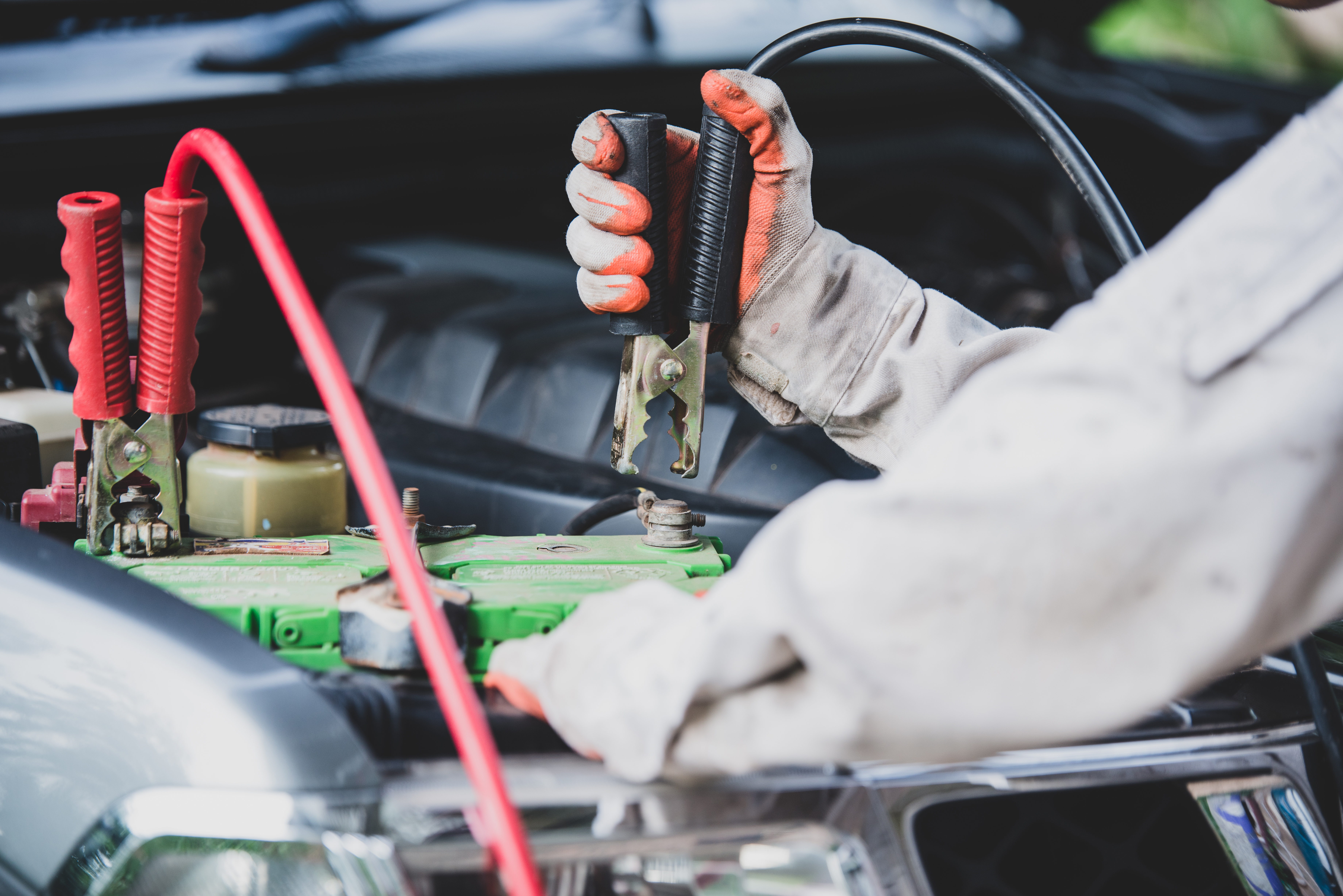
Battery: Most car batteries last 3-5 years. Have it tested annually after the three-year mark. Our battery replacement services include free testing to help you avoid unexpected failures.
Belts and Hoses: These should be checked for cracks, fraying, or softness at least twice yearly.
Our periodic maintenance packages include thorough inspections of these components to catch issues before they become expensive problems.
Seasonal Maintenance Considerations
Different seasons place unique demands on your vehicle, requiring specific car and repair attention:
Summer Preparation:
- Check air conditioning performance
- Ensure cooling system is clean and filled
- Test battery (heat accelerates battery deterioration)
- Check tire pressure (heat increases tire pressure)
Winter Preparation:
- Test battery and charging system (cold reduces battery efficiency)
- Check antifreeze concentration
- Inspect heater and defrosting systems
- Consider winter tires in cold climates
These seasonal checks help prevent the most common season-specific breakdowns and ensure your safety year-round.
Warning Signs Your Car Needs Immediate Attention
Learning to recognize early warning signs can prevent minor issues from becoming major repairs:
-
Unusual Noises: Grinding, squealing, or knocking sounds almost always indicate a developing problem.
-
Warning Lights: Never ignore dashboard warning lights—address them promptly.
-
Fluid Leaks: Any fluid under your car warrants investigation.
-
Changed Driving Feel: If your car pulls to one side, vibrates, or feels sluggish, seek professional assessment.
-
Reduced Fuel Efficiency: A sudden drop in mileage often indicates mechanical problems.
For a comprehensive guide, read our article on signs your car needs servicing.
DIY Maintenance vs. Professional Servicing
While some maintenance can be performed at home, other tasks require professional tools and expertise. Here's a practical breakdown:
Safe DIY Tasks:
- Checking and topping up fluids
- Replacing wiper blades
- Changing air filters
- Basic tire care and inspection
Tasks for Professionals:
- Timing belt/chain replacement
- Transmission service
- Computer diagnostics
- Brake system repairs
Balance cost-saving DIY maintenance with professional car in repair services for complex systems to ensure proper care.
Conclusion: Creating Your Maintenance Timeline
Developing a personal maintenance schedule based on your manufacturer's recommendations is the most effective way to extend your vehicle's life. Keep a log of all services performed and set calendar reminders for upcoming maintenance.
Remember that consistent care is far more effective than sporadic attention. By following the guidelines in this article, you'll not only avoid the frustration and expense of unexpected breakdowns but also maximize your vehicle's performance, efficiency, and resale value for years to come.