Monsoon Car Care Tips: How to Keep Your Vehicle Rust-Free & Safe
The monsoon season brings welcome relief from scorching heat, but it also presents unique challenges for vehicle owners across India. Heavy rainfall, flooding, humidity, and road salt create perfect conditions for rust, electrical problems, and safety hazards that can cost thousands of rupees in repairs. Proper monsoon car care isn't just about maintaining your vehicle's appearance—it's about ensuring safety, preventing expensive damage, and preserving your car's resale value throughout the challenging rainy season.
Understanding Monsoon's Impact on Your Vehicle
Rust and Corrosion: Moisture accelerates oxidation of metal components throughout your vehicle. Salt from coastal areas and road treatments compounds this problem, creating an electrochemical reaction that rapidly corrodes exposed metal. What starts as surface rust can penetrate deep into structural components, compromising safety and requiring expensive repairs.
Electrical System Damage: Water infiltration poses serious threats to your vehicle's complex electrical systems. Modern cars contain dozens of electronic control modules, sensors, and wiring harnesses vulnerable to moisture damage. A single water-damaged ECU can cost ₹50,000 or more to replace.
Brake Performance Degradation: Water on brake components reduces friction effectiveness, while prolonged moisture exposure can cause brake pad glazing, rotor warping, and hydraulic system contamination. Compromised brakes are a serious safety hazard requiring immediate attention.
Tire and Traction Safety: Wet roads reduce tire grip by up to 30%, while standing water can cause dangerous hydroplaning at speeds above 50 km/h. Poor tire maintenance becomes dramatically more dangerous during monsoon conditions.
Interior Damage: Moisture infiltration can damage upholstery, electronics, and create mold problems that affect air quality and resale value.
Pre-Monsoon Vehicle Preparation
Comprehensive Exterior Protection
Paint Protection Systems: Apply high-quality wax, sealant, or ceramic coating before monsoon season begins. These products create a hydrophobic barrier that repels water and prevents contaminants from bonding to your paint surface.
- Carnauba Wax: Natural protection lasting 2-3 months, costing ₹500-₹2,000
- Synthetic Sealants: Chemical protection lasting 4-6 months, costing ₹1,500-₹4,000
- Ceramic Coatings: Professional-grade protection lasting 1-2 years, costing ₹8,000-₹25,000
Quality paint protection prevents damage that costs ₹15,000-₹50,000 to repair professionally.
Underbody Coating and Rust Protection: The vehicle chassis faces maximum moisture exposure from road spray and standing water. Professional underbody coating creates a protective barrier against salt, moisture, and debris.
Application Process:
- Thorough cleaning and degreasing of underbody components
- Application of specialized rust-preventive coatings
- Coverage of vulnerable areas including suspension components, exhaust system, and frame members
- Quality underbody protection costs ₹3,000-₹8,000 but prevents structural rust requiring ₹50,000+ repairs
Door Seals and Weather Stripping: Inspect and replace worn rubber seals around doors, windows, trunk, and sunroof. Quality seals prevent water infiltration that can damage electronics and create mold problems.
Signs of Seal Deterioration:
- Cracking or hardening of rubber materials
- Visible gaps when doors/windows are closed
- Water leaks during car washes or rain
- Wind noise indicating poor sealing
Electrical System Waterproofing
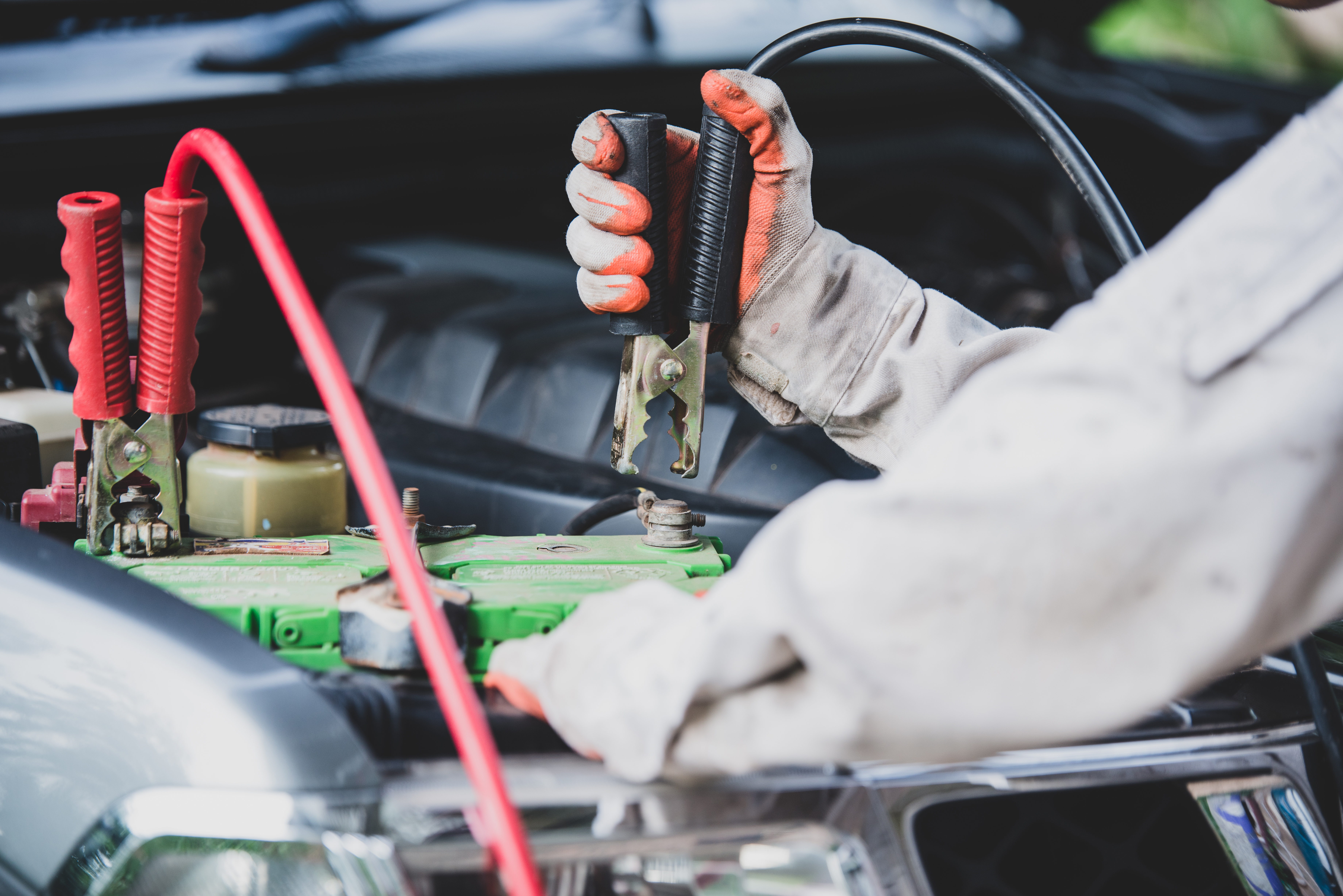
Battery Protection and Maintenance: Clean battery terminals thoroughly and apply dielectric grease to prevent corrosion. Ensure the battery is securely mounted with tight, clean connections.
Battery Maintenance Steps:
- Remove corrosion using baking soda solution
- Clean terminals with wire brush until bright metal appears
- Apply thin coat of petroleum jelly or dielectric grease
- Ensure tight connections and secure mounting
- Test battery capacity before monsoon season
Wiring Harness Inspection: Check for exposed or damaged wiring, particularly around the engine bay, undercarriage, and door areas. Water infiltration into electrical systems can cause short circuits, fires, and expensive component damage.
Critical Inspection Areas:
- Engine bay wiring harnesses
- Headlight and taillight connections
- Underbody sensor wiring
- Door jamb electrical connections
- Ground strap connections
Fuse Box and Relay Protection: Ensure all fuse boxes are properly sealed with intact gaskets. Replace any cracked or missing covers that allow water infiltration.
Essential Monsoon Driving Safety Tips
Tire Maintenance for Wet Weather Performance
Tread Depth Requirements: Adequate tread depth is crucial for channeling water away from the contact patch and maintaining grip. Indian legal minimum is 1.6mm, but safety experts recommend 3mm minimum for monsoon driving.
Tread Depth Testing Methods:
- Coin Test: Insert a ₹5 coin into tread grooves; if you can see the entire outer ring, replace tires
- Professional Measurement: Use tread depth gauge for precise measurements
- Wear Indicator Bars: Replace tires when tread reaches built-in wear indicators
Tire Pressure Optimization: Maintain manufacturer-recommended pressures, checking monthly and adjusting for load conditions. Underinflated tires reduce water evacuation through tread grooves, increasing hydroplaning risk.
Monsoon Pressure Guidelines:
- Check pressure when tires are cold (before driving)
- Increase pressure slightly for heavy loads or highway driving
- Reduce pressure slightly for maximum wet traction (consult manufacturer specs)
- Monitor pressure more frequently due to temperature fluctuations
Tire Rotation and Replacement: Regular rotation ensures even wear patterns, maximizing wet-weather traction across all four tires. Replace tires in sets or pairs to maintain consistent performance.
Brake System Optimization
Brake Pad and Disc Inspection: Worn brake pads reduce stopping power, particularly dangerous in wet conditions. Replace pads showing less than 3mm thickness or any signs of glazing, cracking, or uneven wear.
Brake Component Checklist:
- Pad thickness measurement at all positions
- Disc surface inspection for scoring or warping
- Brake line inspection for leaks or damage
- Brake fluid level and color check
- Handbrake adjustment and cable condition
Brake Fluid Maintenance: Moisture contamination reduces brake fluid boiling point, causing dangerous brake fade during heavy use. Replace brake fluid every 2-3 years or if it appears dark, contaminated, or tests show high moisture content.
Brake Testing Procedures: After driving through standing water, test brakes gently to remove water film and ensure full effectiveness. Apply light brake pressure while driving slowly to dry brake surfaces.
Advanced Monsoon Driving Techniques
Water Hazard Navigation
Depth Assessment Techniques: Never attempt to drive through water deeper than your vehicle's ground clearance. Most passenger cars can safely navigate 15-20cm of standing water, while SUVs and trucks can handle 30-40cm.
Safe Water Crossing Protocol:
- Stop and assess water depth before entering
- Look for reference points like curbs or other vehicles
- Choose the shallowest path, usually along the crown of the road
- Watch other vehicles to gauge safe passage
- Turn around if depth exceeds safe limits
Crossing Technique: If crossing is necessary, maintain steady momentum between 10-20 km/h. Faster speeds create bow waves that flood the engine bay, while slower speeds risk stalling in standing water.
Post-Crossing Inspection: After successfully crossing water, check for:
- Engine operation and temperature
- Brake effectiveness (test gently)
- Electrical system function
- Unusual noises or vibrations
- Fluid leaks from engine or transmission
Hydroplaning Prevention and Recovery
Understanding Hydroplaning: Occurs when tire tread cannot channel water fast enough, causing tires to ride on a water film rather than road surface. Loss of steering and braking control results.
Hydroplaning Risk Factors:
- Speeds above 70-80 km/h on wet roads
- Worn tires with insufficient tread depth
- Standing water deeper than tread grooves
- Sudden steering or braking inputs
- Underinflated or mismatched tires
Prevention Strategies:
- Reduce speed by 20-30% on wet roads
- Avoid sudden steering, acceleration, or braking
- Follow tire tracks of vehicles ahead when possible
- Increase following distance to 4-6 seconds
- Avoid cruise control in wet conditions
Hydroplaning Recovery: If hydroplaning occurs:
- Don't panic or make sudden corrections
- Ease off accelerator gently
- Keep steering wheel straight
- Don't brake until tires regain traction
- Gradually slow down once control returns
Post-Rain Maintenance Routines
Immediate After-Rain Care
Drainage System Maintenance: Check and clear drain holes in doors, sunroof channels, and body panels. Blocked drains cause water accumulation leading to rust and electrical problems.
Common Drain Locations:
- Door bottom drain holes
- Sunroof cassette drains
- Cowl area drains near windshield base
- Tailgate and rear panel drains
- Roof rack mounting points
Brake System Drying: Apply brakes gently several times after driving through water to remove moisture film and restore full braking efficiency. This prevents brake fade and maintains optimal stopping power.
Undercarriage Cleaning: Rinse the undercarriage with fresh water after driving in flood conditions or on salted roads. This removes corrosive contaminants before they can cause permanent damage.
Weekly Monsoon Maintenance Routine
Comprehensive Rust Inspection: Check vulnerable areas weekly for signs of developing rust:
Critical Inspection Points:
- Wheel wells and fender lips
- Door frames and hinges
- Exhaust system hangers and pipes
- Suspension component mounting points
- Battery tray and surrounding areas
- Trunk and hood sealing areas
Early Rust Treatment: Small rust spots can be treated with:
- Wire brush or sandpaper to remove loose rust
- Rust converter or naval jelly application
- Primer and touch-up paint to seal metal
- Professional treatment for larger affected areas
Electrical System Function Testing: Test all electrical components weekly during monsoon season:
- All exterior lights and signals
- Windshield wipers and washers
- Air conditioning and heating systems
- Dashboard warning lights and gauges
- Power windows and door locks
- Audio and navigation systems
Interior Moisture Management: Control cabin humidity to prevent mold, mildew, and electronic corrosion:
- Use moisture absorber packets or containers
- Run air conditioning regularly to dehumidify
- Remove wet items immediately
- Check floor mats and carpeting for dampness
- Ensure proper ventilation during and after rain
Common Monsoon-Related Problems and Solutions
Engine Water Damage (Hydrolocking)
Understanding Hydrolocking: Occurs when water enters cylinders through the air intake, preventing piston movement and potentially causing catastrophic engine damage.
Prevention Strategies:
- Never drive through water deeper than your air intake (typically 40-60cm above ground)
- Avoid creating bow waves that splash into engine bay
- Install snorkel systems for frequent off-road or flood driving
- Know your vehicle's wade depth specifications
Hydrolocking Symptoms:
- Engine suddenly stops while driving through water
- Grinding or knocking noises from engine
- Starter motor cranks but engine won't turn over
- Steam or water vapor from exhaust or engine bay
Emergency Response: If hydrolocking is suspected:
- Stop immediately and turn off engine
- Do not attempt to restart
- Disconnect battery to prevent electrical damage
- Call professional recovery service immediately
- Document situation for insurance claims
Professional Recovery Process:
- Remove spark plugs to drain water from cylinders
- Change engine oil and filter immediately
- Inspect air filter and intake system
- Check for internal engine damage
- Comprehensive system testing before return to service
Electrical Short Circuits and Water Damage
Common Electrical Problems:
- Blown fuses from water infiltration
- Corroded connections causing intermittent operation
- Shorted sensors triggering warning lights
- Damaged control modules requiring replacement
Prevention Measures:
- Keep electrical connections clean and protected with dielectric grease
- Ensure proper sealing of fuse boxes and junction points
- Address wiring damage immediately
- Use electrical system protectant sprays
Diagnostic and Repair:
- Professional electrical