Specialized DIY Car System Maintenance: Expert-Level Care at Home
Modern vehicles are complex machines with interconnected systems that require specialized attention. While major repairs should be left to professionals at the best car service center in Jaipur, understanding and maintaining these systems yourself can prevent costly breakdowns and extend your vehicle's life. These advanced DIY techniques help you provide expert-level care without frequent visits to the car workshop near me.
Air Conditioning System Maintenance
AC Filter Replacement and Cleaning
Replace or clean your cabin air filter every 12,000 miles or annually. A clogged filter restricts airflow and forces the AC system to work harder. This simple maintenance improves air quality and system efficiency without needing professional car ac repair near me services.
Condenser Coil Cleaning
Clean the AC condenser coils located in front of the radiator. Use compressed air to remove debris, bugs, and dirt. This prevents overheating and maintains cooling efficiency during Jaipur's scorching summers.
Refrigerant Level Assessment
While you cannot add refrigerant yourself, you can check for obvious leaks around AC components. Look for oily residue or green dye stains indicating refrigerant leaks. Early detection prevents complete system failure.
Evaporator Maintenance
Run the AC system regularly, even in winter, to maintain seal integrity and prevent mold growth. Use the defrost setting periodically to remove moisture from the evaporator core.
Fuel System Specialized Care
Fuel Injector Cleaning Technique
Add fuel system cleaner to your tank before filling up. This allows the cleaner to mix thoroughly with the fuel. Use this treatment every 3,000 miles to prevent injector clogging and maintain optimal fuel spray patterns.
Fuel Filter Replacement
Replace fuel filters according to manufacturer recommendations. A clogged filter restricts fuel flow, causing poor performance and potential fuel pump damage. This preventive maintenance is much cheaper than fuel pump replacement.
Carbon Buildup Prevention
Use high-quality fuel and occasional fuel system treatments to prevent carbon buildup on intake valves and combustion chambers. This maintenance prevents expensive engine cleaning services.
Fuel Tank Maintenance
Avoid running on empty, which can damage the fuel pump and allow sediment to enter the fuel system. Keep the tank at least quarter-full, especially during dusty conditions common in Jaipur.
Electrical System Advanced Care
Alternator Performance Testing
Use a multimeter to test charging system performance. With the engine running, battery voltage should read 13.5-14.5 volts. Lower readings indicate potential alternator problems requiring attention before complete failure.
Starter System Maintenance
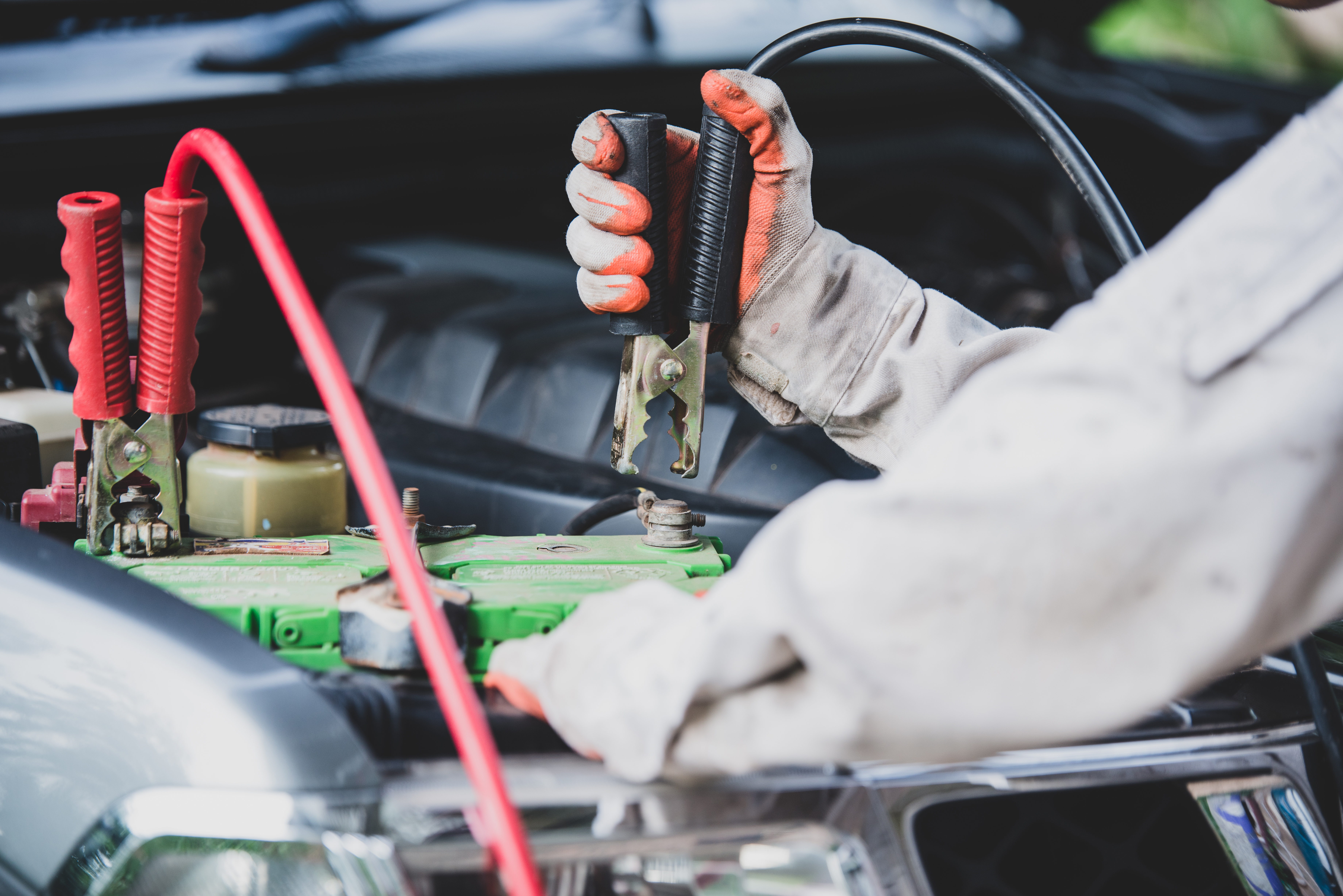
Clean starter connections and check for corrosion. Test starter draw with a multimeter to ensure it's not overworking the battery. This prevents unexpected starting failures.
Wiring Harness Inspection
Inspect visible wiring for chafing, cracking, or rodent damage. Pay special attention to areas where wires pass through firewalls or around moving parts. Early detection prevents expensive car wiring repair near me services.
Ground Connection Maintenance
Clean and tighten all ground connections, especially to the engine block and frame. Poor grounds cause numerous electrical problems and can damage sensitive electronic components.
Suspension and Steering System Care
Shock Absorber Assessment
Perform the bounce test: push down on each corner of the vehicle and release. The car should settle within 1-2 bounces. Excessive bouncing indicates worn shocks or struts affecting ride quality and safety.
Ball Joint Inspection
Check for play in ball joints by jacking up the vehicle and using a pry bar to test for movement. Worn ball joints create safety hazards and require immediate attention from a qualified mechanic near me.
Steering Component Lubrication
Lubricate steering components with chassis grease according to manufacturer recommendations. This prevents premature wear and maintains smooth steering operation.
Power Steering Fluid Maintenance
Check power steering fluid level and condition regularly. Dark, burnt fluid indicates problems requiring professional attention. Clean fluid ensures smooth steering operation.
Engine Performance Optimization
PCV System Maintenance
Clean or replace the PCV valve according to manufacturer recommendations. A faulty PCV valve causes oil consumption, rough idling, and emissions problems. This inexpensive maintenance prevents expensive engine repairs.
Intake System Cleaning
Clean the throttle body and intake manifold periodically to remove carbon buildup. Use appropriate cleaners and follow safety procedures. This maintenance improves throttle response and fuel economy.
Ignition System Care
Inspect spark plug wires for cracks or deterioration. Replace the entire set if any wire shows damage. Clean spark plug boots and apply dielectric grease to prevent moisture intrusion.
Timing Belt Inspection
Check timing belt condition if accessible. Look for cracks, fraying, or glazing. Replace according to manufacturer intervals to prevent catastrophic engine damage.
Exhaust System Comprehensive Care
Catalytic Converter Maintenance
Use high-quality fuel and avoid engine misfires to protect the catalytic converter. A damaged converter is expensive to replace and affects emissions compliance.
Oxygen Sensor Care
Replace oxygen sensors according to manufacturer recommendations. Failed sensors cause poor fuel economy and emissions problems. This preventive maintenance prevents catalytic converter damage.
Muffler and Pipe Inspection
Check for rust, holes, or loose connections in the exhaust system. Repair small holes with exhaust paste or tape temporarily until proper repairs can be made.
Transmission System Detailed Care
Automatic Transmission Maintenance
Check transmission fluid level and condition regularly. Change fluid and filter according to manufacturer recommendations. This prevents expensive transmission repairs and extends system life.
Manual Transmission Care
Check clutch pedal free play and adjust if necessary. Monitor clutch fluid level and condition. Listen for unusual noises during shifting that might indicate problems.
Differential Service
Change differential fluid according to manufacturer recommendations. Check for leaks around differential housing and address them promptly to prevent gear damage.
Cooling System Advanced Maintenance
Radiator Cap Testing
Test radiator cap pressure annually using a pressure tester. A faulty cap allows coolant to escape and reduces system pressure, leading to overheating.
Water Pump Inspection
Check for coolant leaks around the water pump. Listen for unusual noises that might indicate bearing wear. Replace the water pump during timing belt service if accessible.
Cooling System Pressure Testing
Perform annual pressure tests to check for internal leaks. This detects problems before they cause overheating damage.
Brake System Advanced Care
Brake Fluid Testing
Test brake fluid moisture content annually using test strips. Contaminated fluid boils at lower temperatures, causing brake fade and potential system failure.
Brake Line Inspection
Check brake lines for corrosion, kinks, or damage. Pay special attention to areas where lines pass near the exhaust system or suspension components.
ABS System Maintenance
Ensure ABS sensors are clean and properly positioned. Test ABS function in a safe environment to ensure proper operation.
Diagnostic and Testing Procedures
OBD-II Code Reading
Use a diagnostic scanner to read trouble codes monthly. Address codes promptly to prevent minor issues from becoming major problems.
Compression Testing
Perform compression tests to assess engine condition. Low compression indicates internal engine problems requiring professional attention.
Vacuum Testing
Use a vacuum gauge to test engine condition. Vacuum readings provide insight into engine internal condition and can identify problems early.
Specialized Tools for Advanced Maintenance
Essential Advanced Tools
- Digital multimeter for electrical testing
- Pressure tester for cooling system
- Compression gauge for engine testing
- Vacuum gauge for intake system assessment
- Torque wrench for proper fastener tightening
Measurement and Testing Equipment
- Tire pressure gauge for accurate readings
- Thickness gauge for brake pad measurement
- Feeler gauges for gap adjustments
- Dial indicator for precise measurements
Safety Considerations for Advanced DIY
Personal Safety Equipment
- Safety glasses for eye protection
- Gloves for chemical and cut protection
- Jack stands for safe vehicle lifting
- Fire extinguisher for emergency situations
Environmental Safety
- Proper disposal of fluids and filters
- Use of biodegradable cleaners when possible
- Spill prevention and cleanup procedures
- Protection of groundwater and soil
Creating a Specialized Maintenance Schedule
Monthly Advanced Checks
- Electrical system testing
- Fluid condition assessment
- Specialized component inspection
- Performance monitoring
Seasonal Specialized Service
- AC system preparation and testing
- Cooling system comprehensive check
- Fuel system cleaning and treatment
- Exhaust system inspection
Annual Comprehensive Service
- Complete system diagnostics
- Pressure testing of systems
- Fluid changes and filter replacements
- Wear component assessment
When Professional Service Is Essential
Some specialized maintenance requires professional expertise:
- Transmission rebuilds need experienced car mechanic shops nearby
- AC system refrigerant service requires certified car ac service near me
- Electrical system diagnosis should be done by qualified technicians
- Engine internal work requires professional car repair in Jaipur services
Building Advanced DIY Skills
Start with simpler systems and gradually build expertise. Invest in quality tools and reference materials. Join online forums and local car clubs to learn from experienced DIY enthusiasts.
Specialized DIY maintenance allows you to provide expert-level care for your vehicle while saving money on routine services. The key is understanding system interactions and knowing when professional help is needed for safety and reliability.